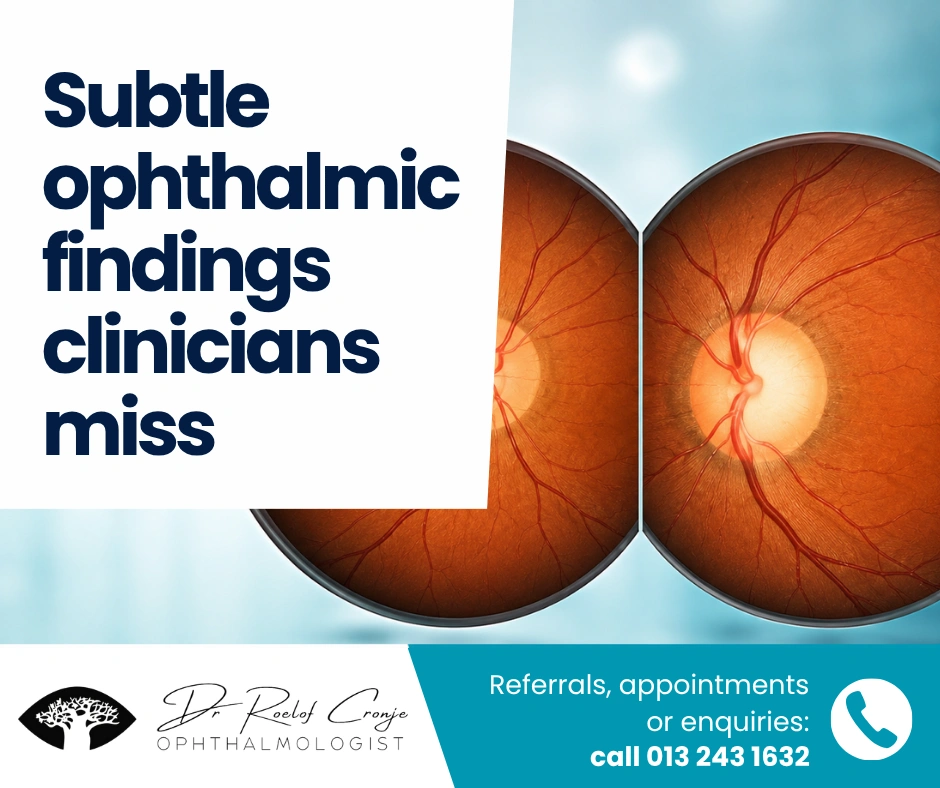
The subtle ophthalmic findings clinicians miss before irreversible vision loss
Subtle ophthalmic findings are frequently overlooked until permanent vision loss has already occurred. This …
Examining the Eye for Pathology: Practical Tips for Optometrists
Examining the eye for pathology requires a structured and systematic approach. Recognising subtle clinical …
Early Signs of Glaucoma in Clinical Practice
Early signs of glaucoma in clinical practice are often subtle and asymptomatic. Recognising optic …
Hormones and Vision: The Endocrine Eye
Hormones and vision are closely connected, with endocrine disorders often affecting the eye. Recognising …
The Ophthalmologist’s Role in Multi-Disciplinary Care
The ophthalmologist’s role in multidisciplinary care is essential for managing both ocular and systemic …
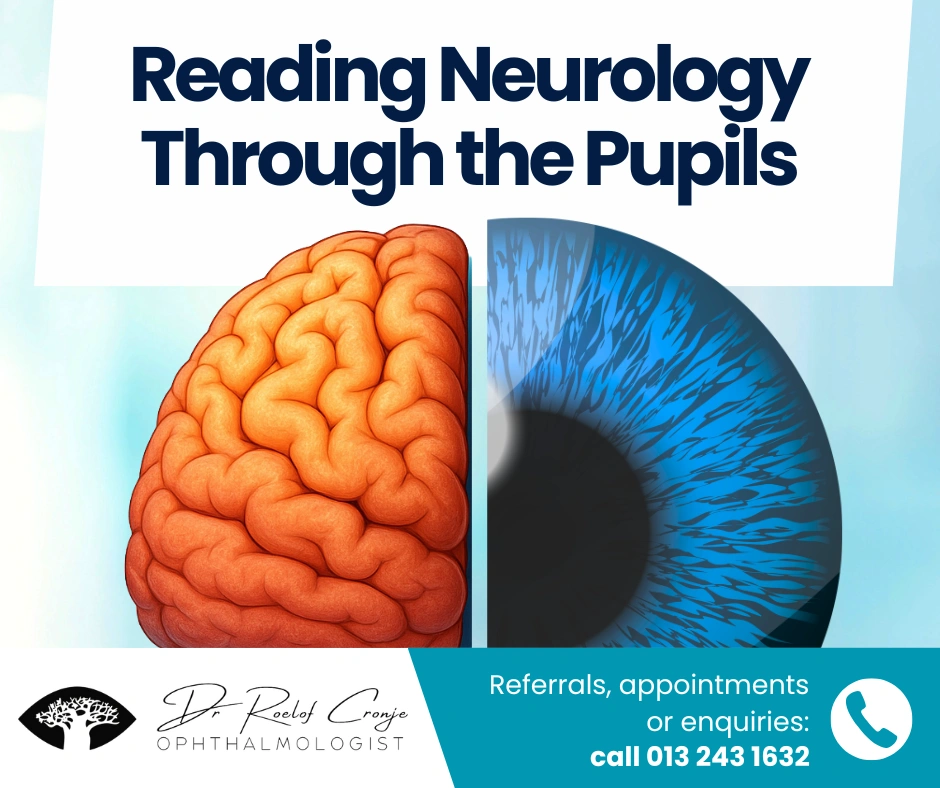
Pupil Clues: What the Eyes Reveal About the Brain
Pupil clues can reveal underlying neurological disease. Recognising abnormalities in size, symmetry, and reactivity …
Retinal Signs of Kidney Disease: What the Eye Reveals About Renal Health
Retinal signs of kidney disease may reflect underlying microvascular damage. Recognising these ocular findings …
Optic Nerve Swelling vs Papillitis
Differentiating optic nerve swelling vs papillitis is essential for accurate diagnosis and appropriate referral. …