
Diabetic Eye Conditions
Home | Eye Conditions | Diabetic Eye Conditions
How Diabetes Affects the Eye
Diabetes affects the eye by damaging the small blood vessels that supply the retina. Elevated blood glucose levels can cause these vessels to leak, become blocked, or function abnormally.
As a result, the retina may not receive adequate oxygen and nutrients, leading to structural changes that impair vision. In some cases, abnormal new vessels may develop, increasing the risk of further complications.
These changes can disrupt how visual information is processed, resulting in blurred vision or progressive vision loss, often without noticeable early symptoms.
Overview of Diabetic Eye Conditions
Diabetic eye conditions represent a group of disorders that develop as a result of chronic damage to the retinal microvasculature and surrounding retinal structures. Persistently elevated blood glucose levels lead to progressive changes in the integrity and function of these small blood vessels, resulting in leakage, capillary closure, and impaired blood flow within the retina.
As these changes progress, the normal balance of fluid and oxygen within the retinal tissue is disrupted. This can lead to retinal swelling, reduced oxygen supply, and structural instability, all of which compromise the retina’s ability to process visual information effectively. In response to reduced oxygen levels, the eye may stimulate the formation of new blood vessels, which are often fragile and prone to leakage or bleeding.
Over time, these processes can result in cumulative retinal damage, affecting both central and peripheral vision. Visual changes may initially be subtle or intermittent, but can progress to more significant impairment if left undetected or untreated.
The development and progression of diabetic eye disease are influenced by several factors, including the duration of diabetes, consistency of blood glucose control, blood pressure, lipid levels, and overall systemic health. Because these conditions often progress silently, regular and thorough eye examinations are essential for early detection, accurate assessment, and timely intervention aimed at preserving long-term visual function.
Diabetic Eye Conditions Articles for Patients
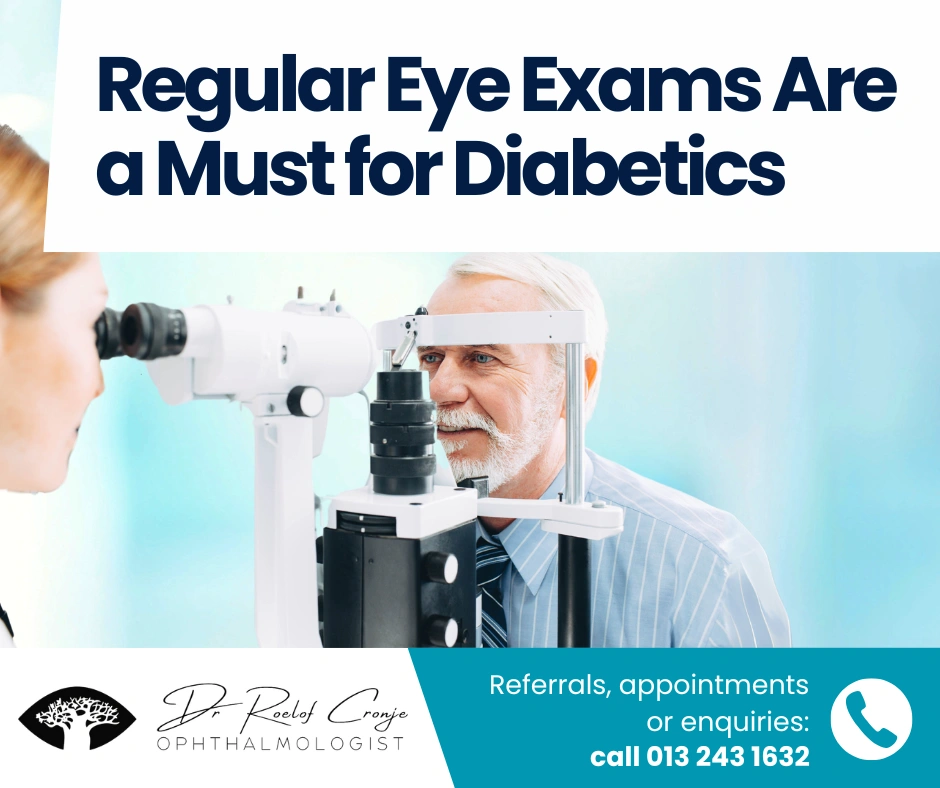
The Importance of Regular Eye Exams for Diabetic Patients

5 Retinal Conditions You Should Know About After 40

Sudden Blurry Vision in One Eye: Causes and When to Seek Help
Related FAQ's