
Neuro-ophthalmic conditions
Home | Eye Conditions | Neuro-ophthalmic conditions
Understanding the Optic Nerve
The optic nerve transmits visual signals from the eye to the brain. When it is affected, this communication is disrupted, which can result in reduced vision, colour changes, or loss of parts of the visual field.
Understanding Visual Pathways
Visual pathways carry signals from the retina to the brain, where they are processed into meaningful vision. Disruption anywhere along this pathway can affect how visual information is interpreted, leading to vision loss or missing areas in the visual field.
Overview of Neuro-Ophthalmic Conditions
Neuro-ophthalmic conditions are disorders that affect the connection between the eyes and the brain, specifically the optic nerve and visual pathways. These structures are responsible for transmitting and processing visual information, allowing the brain to interpret what the eyes see. When this system is disrupted, vision can be affected even if the eyes themselves appear healthy.
These conditions can interfere with how visual signals are sent or interpreted, leading to symptoms such as vision loss, double vision, reduced colour perception, or missing areas in the field of vision. In some cases, eye movement may also be affected, making it difficult for the eyes to work together properly.
Neuro-ophthalmic conditions can develop for a variety of reasons, including inflammation, reduced blood supply, pressure on the optic nerve, or underlying neurological disorders. Some may develop gradually, while others can occur suddenly and require urgent medical attention.
Because these conditions may be linked to broader neurological issues, they are often more complex than typical eye conditions. Early symptoms can sometimes be subtle or easily overlooked, but may indicate significant underlying changes within the visual system.
Regular and prompt specialist assessment is essential when symptoms arise. Early diagnosis allows for accurate identification of the cause, appropriate management, and timely referral when needed — helping to protect both vision and overall neurological health.
Neuro-ophthalmic conditions Articles for Patients
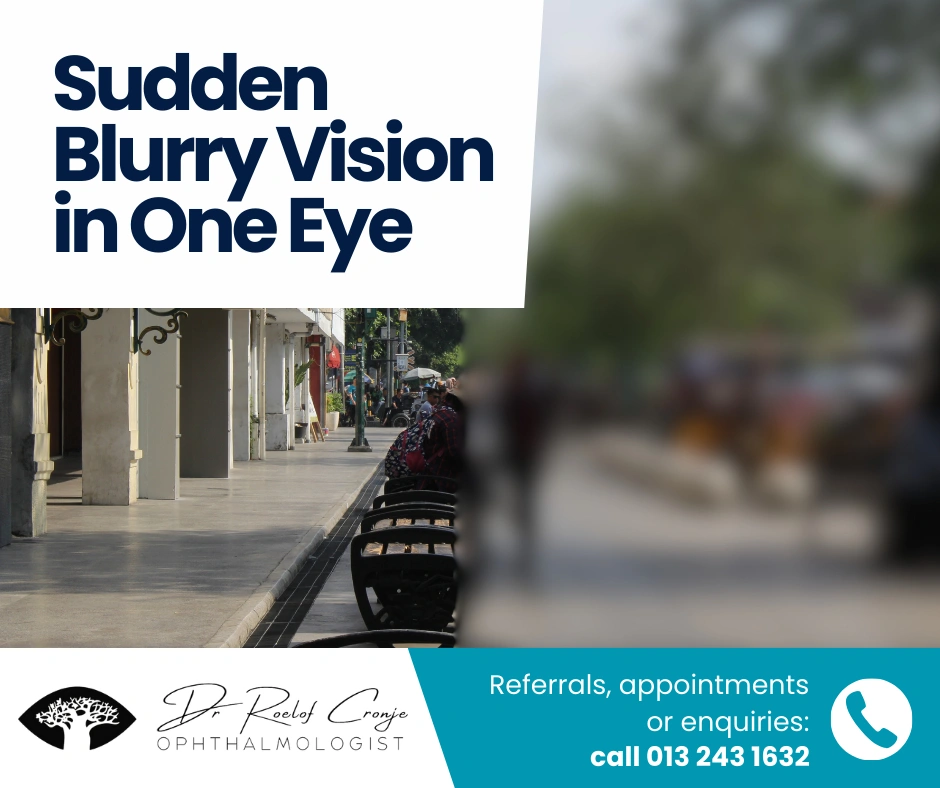
Sudden Blurry Vision in One Eye: Causes and When to Seek Help
Related FAQ's