Appointments →

Call Us At:
013 243 1632 or 086 166 4664

Queries →

Email Us At:
office@drcronje.com

Office Hours

Mon - Fri: 8:00 AM - 5:00 PM
Sat: By Appointment Only

Cataract Treatment Overview

Cataract Treatment Overview

Cataract treatment depends on how significantly vision is affected and how symptoms impact daily life. In the early stages, changes in vision may be mild and manageable. As cataracts progress, however, they can begin to interfere with activities such as reading, driving, and working. Understanding when treatment is appropriate is an important part of managing cataracts effectively.
View VideoProvides an overview of typical cataract treatments from new glasses, to intraocular lens implants.

When is treatment needed?

Cataract treatment is not based solely on the presence of a cataract, but on how it affects visual function. Treatment may be considered when: Vision changes begin to interfere with daily activities, Glasses no longer provide adequate improvement, Glare or reduced contrast affects safety (e.g. driving), Visual clarity is impacting work or quality of life. The decision is individual and based on your specific needs and lifestyle.

Early-stage management

In the early stages, cataracts may be managed without surgery.

This may include:

  • Updating glasses
  • Improving lighting conditions
  • Adjusting visual tasks

These measures can help maintain function while changes are still mild.

Definitive treatment

There is currently no medication or eye drop that can reverse cataracts.

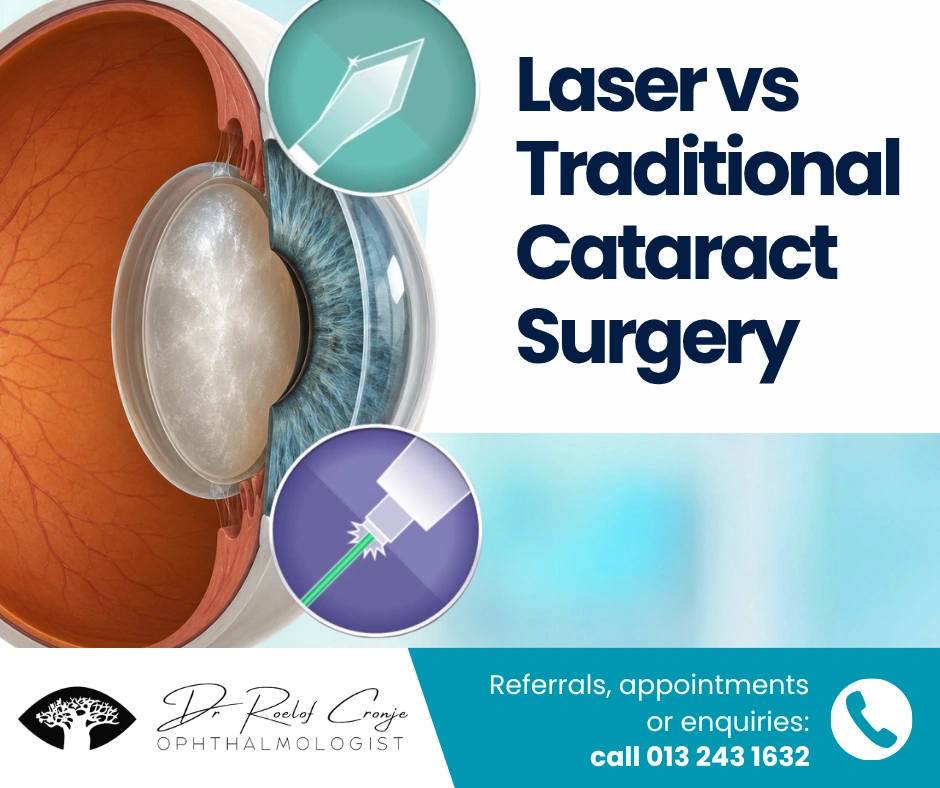
The only effective treatment is surgical removal of the cloudy lens, which is replaced with a clear artificial lens.

This procedure restores the eye’s ability to focus light properly and improves visual clarity.

How treatment decisions are made

Treatment decisions are based on a combination of factors:

  • The degree to which vision is affected
  • Your daily visual requirements
  • Overall eye health
  • The presence of other eye conditions

The goal is to ensure that treatment is offered at the right time, not too early and not unnecessarily delayed.

View VideoThis narrative is a treatment overview of informed consent and introduction to cataract surgery.

What happens if cataracts are not treated?

In many cases, cataracts progress slowly.

However, over time they may:

  • Continue to reduce visual clarity
  • Affect independence and daily activities
  • Make certain tasks more difficult or unsafe

Regular monitoring helps ensure that treatment is considered at the appropriate stage.
What this means for you

Cataract treatment is highly effective when needed, but timing is important. The focus is not simply on removing cataracts, but on: Improving functional vision, Maintaining quality of life, Ensuring appropriate care based on your needs.

Related FAQ's

Can both eyes be treated at the same time?

Can You Renew Your Driver’s License with Cataracts?

Appointments →

Call Us At:
013 243 1632 or 086 166 4664

Queries →

Email Us At:
office@drcronje.com

Office Hours

Mon - Fri: 8:00 AM - 5:00 PM
Sat: By Appointment Only

Scan the code