
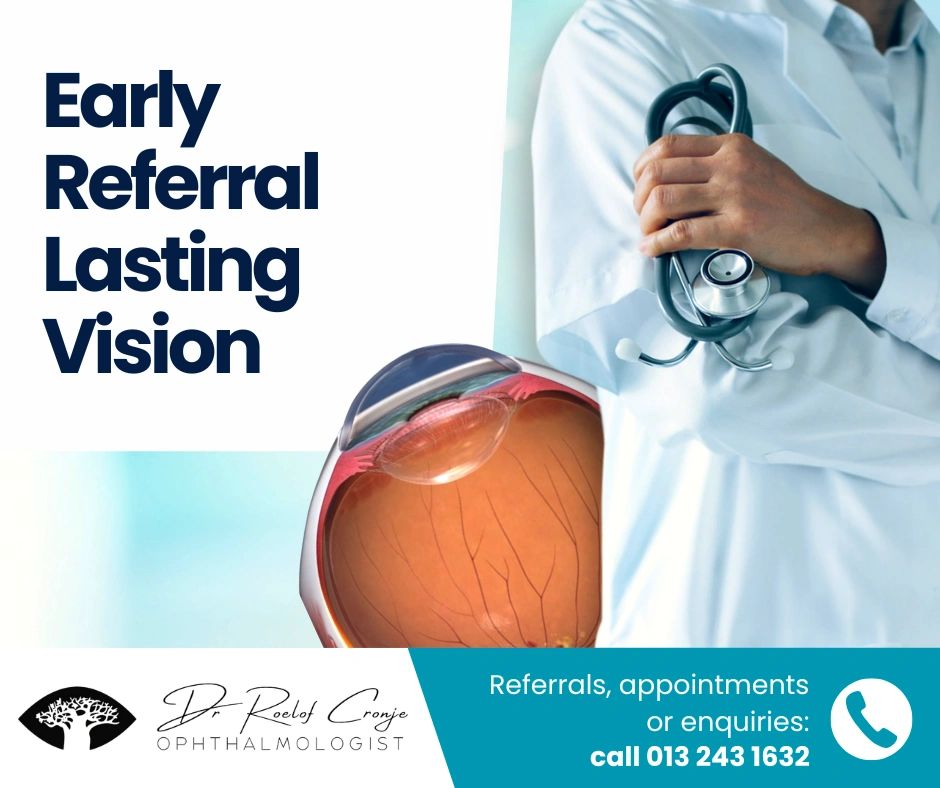
Eye Health Isn’t a Side Note in Diabetes Care
For many patients living with diabetes, daily management becomes routine — blood sugar checks, medication adjustments, dietary changes. But amid the ongoing effort to control systemic markers, eye health can unintentionally take a back seat.
As healthcare professionals, we know the retina often gives us no warning signs until the damage is well underway. And yet, with timely screening and referral, diabetic retinopathy is one of the most manageable — and most preventable — causes of vision loss.
Why Early Detection of Retinal Changes Matters
Diabetic retinopathy (DR) develops gradually as prolonged hyperglycaemia affects retinal blood vessels. The risk increases with time, poor glucose control, and co-existing conditions like hypertension or renal impairment.
The challenge is that early-stage DR is silent. Most patients won’t report symptoms until vision is noticeably affected — at which point treatment options become more complex and the likelihood of full visual recovery declines.
Retinal exams give us the opportunity to detect pathology early and intervene long before vision loss becomes permanent. And this starts with appropriate referral timing.
Who Should Be Referred — and When?
Referral timing depends on diabetes type, patient risk profile, and any emerging visual symptoms.
General Guidelines Based on Type of Diabetes
- Type 1 Diabetes:
Recommend retinal screening 5 years after diagnosis, then annually (or based on ophthalmologist recommendations). - Type 2 Diabetes:
Retinal exam should take place at the time of diagnosis, with annual follow-up thereafter. - Pregnancy with Pre-Existing Diabetes:
A retinal assessment should be arranged prior to conception if possible, or during the first trimester, with close monitoring throughout.
Note: These are widely accepted clinical standards, not rigid rules — clinical context always matters.
When Sooner Is Better: Risk-Based Indicators for Earlier Referral
Certain patients may need earlier or more frequent referral intervals, especially if they present with:
- Persistently elevated HbA1c
- Long-standing diabetes
- Co-existing hypertension or kidney disease
- Lipid abnormalities
- Visual disturbances (even minor ones)
- Pregnancy
- Previous history of retinopathy
- Limited access to regular eye care
Even if a patient appears asymptomatic, these factors can quietly accelerate retinal damage. That’s why collaborative screening and proactive communication between GP/endocrinology teams and ophthalmologists is so crucial.
Recognising Red Flags That Warrant Immediate Referral
If a patient reports any of the following, it’s time to refer without delay:
- Sudden vision loss or deterioration
- Blurry or distorted vision
- New floaters, flashing lights, or shadowed vision
- Difficulty focusing
- Any noticeable asymmetry between eyes
These symptoms may signal advanced retinopathy, macular edema, or even retinal detachment — and the sooner these are addressed, the better the potential outcome.
A Note on Patient Expectations
Many patients associate vision loss with aging, not diabetes. Others assume that no symptoms mean no issues. As primary providers, we’re often the first to shift that perspective.
By normalizing referral as part of routine diabetes care — not just something “extra” when something’s wrong — we help patients engage more confidently in their health journey. Framing eye exams as a preventative tool (like cholesterol tests or foot checks) improves compliance and follow-through.
Why Refer to Dr. Cronje?
As a specialist ophthalmologist, Dr. Cronje works closely with general practitioners, internists, and diabetes care teams to ensure every referred patient is:
- Seen promptly, especially if red-flag symptoms are present
- Evaluated with advanced imaging, including OCT and fundus photography
- Followed up collaboratively, with detailed reports and co-management planning
- Monitored consistently, even after discharge back to primary care
With established practices in Middelburg, Ermelo, and Piet Retief, Dr. Cronje’s services are accessible, efficient, and designed to support your clinical workflow — not add to it.
Conclusion: Referrals That Make a Difference
You already manage so much of your patients’ care — glucose levels, cardiovascular risks, kidney function. Eye health doesn’t need to be a burden. But it does need a place in the plan.
Referring diabetic patients for a retinal exam isn’t just about ticking a box. It’s about partnering with specialists to help patients keep their independence, confidence, and quality of life.
Let’s work together to make that possible.