
A Brief Overview Of DED
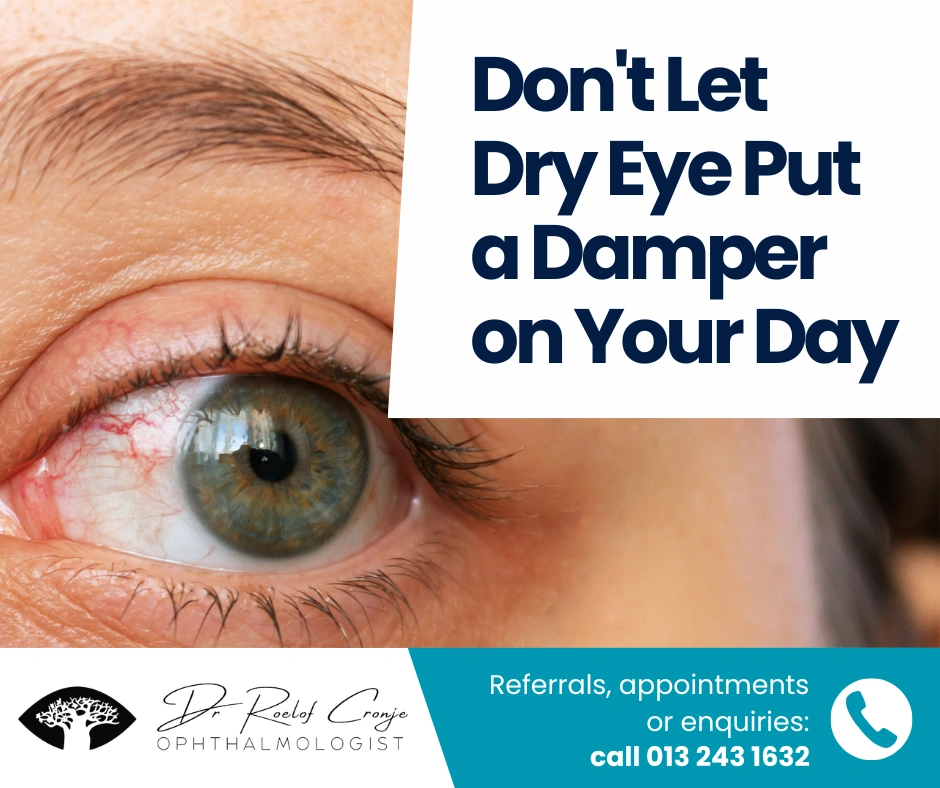
Do you suffer from dry eyes? You’re not alone. Dry eye disease is a common condition that affects millions of people worldwide. It occurs when the eye does not produce enough tears or the tears evaporate to quickly. The tears are important for keeping the eyes lubricated and comfortable, and for providing nutrients and oxygen to the surface of the eye. Without them, the eyes can become dry, red, itchy, and irritated.
What is dry eye?
Dry eye, also known as dry eye disease (DED), is a common and often uncomfortable condition caused by a lack of sufficient tears to lubricate and nourish the eyes. It is generally caused by a decrease in tear production, an imbalance in the components of tears, or an increase in tear evaporation. It can be a chronic and irritating condition, but fortunately, it is treatable. At its most basic, dry eye is caused when the eyes do not produce enough tears or when the tears produced do not have the proper composition to keep the eyes lubricated and nourished. Tears are made up of three components: water, oil, and mucus. If there is an imbalance between these components, dry eye can occur.
To learn more about this condition watch the informative video below:
If you’re experiencing any of these symptoms, you should see an ophthalmologist. An ophthalmologist is a medical doctor who specializes in the diagnosis and treatment of eye diseases and conditions, including DED. They can diagnose your condition, provide a personalized treatment plan, and help you manage your symptoms.
Dry Eye Causes
There are many possible causes of dry eye, including:
Aging
Aging can cause dry eye because the tear glands produce fewer tears as we get older. This is due to the decrease in hormone production and the change in the composition of tears. As we age, the oil-producing glands in our eyelids, which help keep the tear film stable, become less active and can cause the tears to evaporate faster.
Medications
Certain medications can cause dry eye because they reduce the production of tears, either by interfering with tear production or by blocking tear drainage. These medications include antihistamines, decongestants, blood pressure medications, antidepressants, and medications used to treat anxiety and seizures.
Environmental factors
Certain environmental factors can cause dry eye because they reduce the amount of tears that are produced or disrupt the natural balance of the tears. These factors include wind, smoke, dust, and dry air. Wind and dust can irritate the eyes and reduce the amount of tears produced, while smoke and dry air can evaporate the tears quickly, leaving the eyes dry. Exposure to allergens may also cause the eyes to produce fewer tears.
Certain medical conditions
Certain medical conditions can cause dry eye because they can affect the ability of the body to produce adequate tears or to effectively spread the tears across the surface of the eye. Some of these medical conditions include Sjogren’s Syndrome, thyroid disease, blepharitis, and diabetes. In Sjogren’s Syndrome, the body’s immune system mistakenly attacks its own moisture-producing glands, leading to a decrease in production of tears and saliva. Thyroid disease can cause a decrease in tear production and quality, while blepharitis can cause inflammation of the eyelids that can lead to an obstruction of the tear drainage system. Diabetes can also lead to dry eye because it can damage the nerves that control the tear production process.
Hormonal changes
Hormonal changes, such as those experienced during menopause, can lead to dry eye.
Laser eye surgery
Some laser eye surgeries can cause or worsen this condition.
Contact lens wear and dry eye
In some cases wearing contact lenses may cause dry eye for the following reasons:
Wearing Habits: Wearing contact lenses for too long, not taking them out at night, or not cleaning them properly can cause an accumulation of allergens, bacteria, and other debris on the contact lens surface that can cause irritation, dryness, and discomfort.
Fit: Contact lenses that don’t fit properly can cause dryness and discomfort.
Tear Quality: Contact lenses can interfere with the natural production of tears, leading to dryness and discomfort.
Contact Lens Solutions: Some contact lens solutions contain preservatives, which can be irritating to the eye and cause dryness.
Non-Prescription Lenses: Non-prescription lenses, such as decorative or colored lenses, can be more likely to cause dryness and discomfort.
Eye diseases
Diseases such as blepharitis, meibomian gland dysfunction, and conjunctivitis can lead to dry eye.
Symptoms Of Dry Eye
The most common symptom of this condition is a burning sensation in the eyes. This feeling can range from mild to severe and may also be accompanied by light sensitivity, redness, and itching. In some cases, dry eye can cause an inability to produce tears, resulting in dryness and irritation.
Another common symptom of dry eye is blurred vision. This occurs when the surface of the eye is not sufficiently lubricated and can cause problems with near and far vision. Blurry vision can also be accompanied by eye strain and fatigue due to the difficulty of focusing.
Another symptom is a feeling of grittiness or the sensation that there is something in the eye. This can be caused by the presence of tiny particles on the surface of the eye that irritate the cornea. This symptom can be accompanied by gritty or sandy sensations and can be quite painful.
Finally, DED can cause excessive tearing. This is caused by a reflex reaction to the dryness in the eyes and can be accompanied by a red, watery, and irritated eye.
Treatment
If left untreated, DED can lead to more serious complications, such as infection, corneal ulcers, and vision loss. Fortunately, there are numerous treatments available for dry eye syndrome. Your ophthalmologist will work with you to determine the best course of action for your individual needs. This may include over-the-counter artificial tear drops, prescription medications, lifestyle modifications, and in-office treatments.
For more information on various treatment options watch the informative video below:
Daily Habits To Prevent Dry Eye From Worsening
In addition to treatment, it’s important to take steps to prevent DED. This includes protecting your eyes from the elements, avoiding long-term use of contact lenses, and taking regular breaks from the computer screen.
For an overview of how to manage DED watch the helpful video below:
Conclusion
If you’re experiencing any symptoms of DED, don’t wait—see your ophthalmologist right away. With the right treatment and preventative measures, you can keep your eyes healthy and comfortable.