


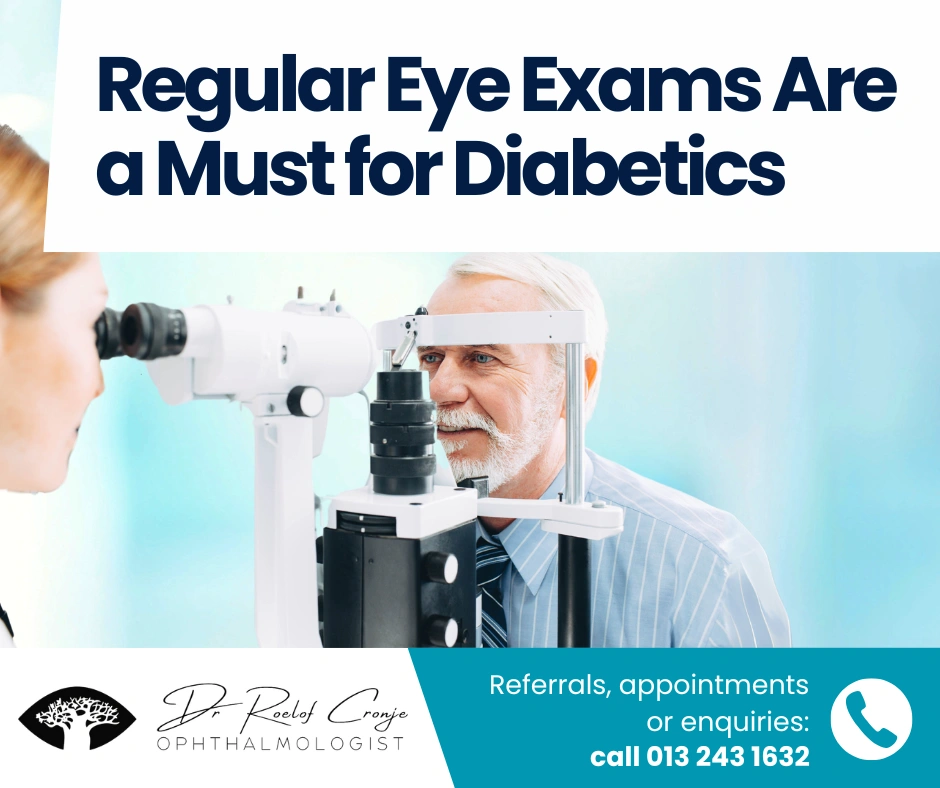
hensive guide will explain why these checkups are crucial for early detection and effective management of diabetic retinopathy, and how they can protect long-term vision.
What Is Diabetic Retinopathy?
Diabetic retinopathy occurs when high blood sugar levels damage the blood vessels in the retina—the light-sensitive tissue at the back of the eye. Over time, this damage can lead to:
- Leaking blood vessels
- Swelling of the retina (macular edema)
- Abnormal blood vessel growth (proliferative diabetic retinopathy)
- Scarring and retinal detachment
Early stages may not cause noticeable symptoms, but as the condition progresses, vision problems can become severe.
Why Are Regular Eye Exams Critical?
1. Early Detection Leads to Better Outcomes
The earlier diabetic retinopathy is detected, the better the chances of managing the condition effectively and preventing vision loss. Routine eye exams allow doctors to spot changes in the retina long before symptoms arise.
- Silent progression: In its initial stages, diabetic retinopathy may not cause pain or noticeable vision problems.
- Preventive intervention: Early diagnosis means doctors can recommend treatments like laser therapy or medications before the condition worsens.
2. Monitoring Disease Progression
Diabetic retinopathy can progress rapidly, especially in patients with poorly managed blood sugar. Regular checkups help ophthalmologists or optometrists monitor changes over time and adjust treatment plans accordingly.
- Frequent monitoring: Depending on your condition, your doctor may recommend exams every six months or annually.
- Tracking milestones: Monitoring helps detect the progression from mild non-proliferative diabetic retinopathy to more advanced stages.
3. Preventing Vision Loss
With early intervention, patients can avoid severe complications such as macular edema or retinal detachment—both of which can lead to permanent vision loss.
- Treatments available: Options include anti-VEGF injections to reduce swelling, laser treatments to seal leaking blood vessels, and vitrectomy surgery to remove scar tissue.
- Preventive care: Regular exams allow for timely preventive measures like controlling blood sugar, blood pressure, and cholesterol levels.
What to Expect During a Diabetic Eye Exam
A comprehensive eye exam for diabetic patients typically includes several tests to evaluate the health of the retina and overall eye function:
1. Dilated Eye Exam
- Eye drops are used to dilate (widen) the pupils, allowing the doctor to see the retina and optic nerve.
- The doctor checks for signs of damage, such as leaking blood vessels, swelling, or abnormal growth.
2. Visual Acuity Test
- This test measures how well you can see at various distances and helps identify any changes in vision.
3. Optical Coherence Tomography (OCT)
- OCT provides detailed images of the retina, showing any swelling or thickening.
- It is particularly useful for detecting macular edema.
4. Fluorescein Angiography
- A dye is injected into the bloodstream, and the doctor takes images of the retina to highlight any leaking or abnormal blood vessels.
Risk Factors That Make Regular Exams Even More Important
Certain factors can increase the risk of developing diabetic retinopathy or worsen existing conditions, making regular exams even more essential:
- Duration of diabetes: The longer you have diabetes, the higher the risk.
- Poor blood sugar control: High glucose levels damage blood vessels more quickly.
- High blood pressure and cholesterol: These conditions can accelerate retinal damage.
- Pregnancy: Pregnant women with diabetes are at increased risk of developing or worsening retinopathy.
How Often Should You Have an Eye Exam?
The frequency of eye exams depends on individual circumstances, but general guidelines are as follows:
- Type 1 diabetes: Initial exam within five years of diagnosis, then annually.
- Type 2 diabetes: Initial exam at the time of diagnosis, then annually.
- Pregnancy with diabetes: Comprehensive eye exam before pregnancy or early in the first trimester, with follow-ups as recommended by the doctor.
- Advanced retinopathy: More frequent exams may be required, such as every three to six months.
The Role of Self-Care in Eye Health
While regular eye exams are essential, they should be part of a broader strategy to manage diabetes and protect eye health:
- Control blood sugar: Maintain target blood glucose levels to slow the progression of retinopathy.
- Monitor blood pressure and cholesterol: Keeping these under control can help protect blood vessels in the eyes.
- Maintain a healthy diet: Include foods rich in antioxidants, omega-3 fatty acids, and vitamins A, C, and E.
- Exercise regularly: Physical activity helps improve overall blood circulation and manage diabetes.
- Avoid smoking: Smoking can exacerbate blood vessel damage and accelerate the progression of diabetic retinopathy.
Conclusion: Protecting Your Vision for the Long Term
For diabetic patients, regular eye exams are more than just a checkup—they are a lifeline for maintaining vision and preventing severe complications. By scheduling routine exams and following a comprehensive care plan, you can detect diabetic retinopathy early, receive timely treatment, and protect your sight.
Don’t wait for symptoms to appear—proactive care is key. Talk to your eye doctor about creating a personalized examination schedule, and take the necessary steps to safeguard your vision for years to come.